Suscríbete a Gobe Insights
Recibe conocimiento clave para liderar la innovación pública y transformación govtech.
¡Apúntate!Button Text
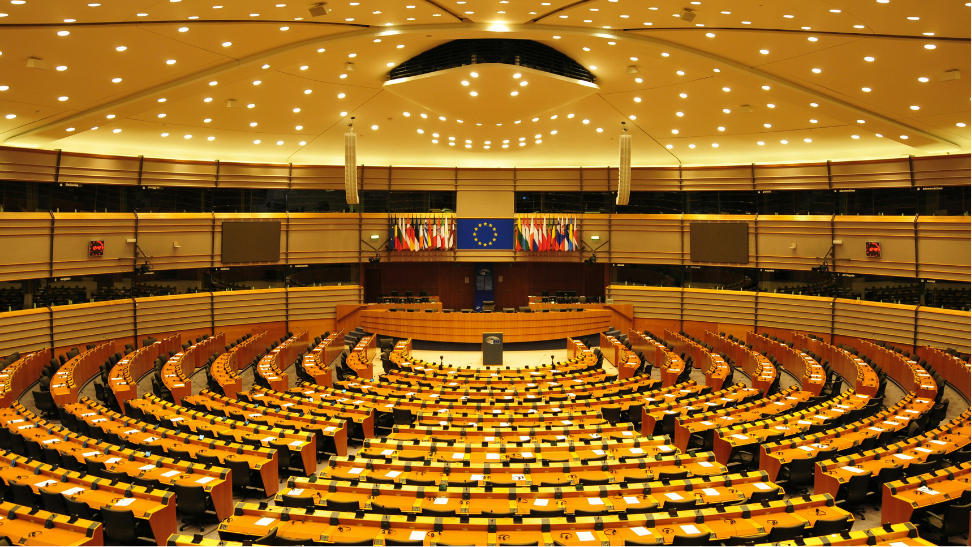


Brussels decides, but the game is played here
I have just returned from Brussels, where I took part in the Apply AI Summit, which marked the anniversary of the AI strategy launched by the European Commission a year ago. The aim was to bring together stakeholders from a range of industries and strategic sectors, including the public sector, to discuss how to accelerate AI adoption across the Union.
My first takeaway is that Brussels needs more exchanges like this. In many conversations, I was able to share what we at Gobe are seeing on the ground. How strategic priorities on sovereignty are translating into actual tenders. How the transparency obligations under Article 50 of the AI Act are being implemented. What it takes for European funding to reach public services faster and more effectively... But above all, we went to Brussels to listen, because what happens in Brussels sets the playing field and the roadmap for digital transformation here.
The European agenda ahead
There are many items on the European agenda that we need to follow closely. There is, of course, the proposed new Procurement Act, but the Chips Act 2.0 and the Cloud and AI Development Act (CADA) are also on the way. All of these legislative proposals will shape the agenda in the coming months, and we will be looking at them to understand how they affect the govtech sector.
The Data Omnibus, at the center of the debate
This late November, however, only one of them was being talked about in the European Parliament: the Data Omnibus. Following the changes to the AI Act approved over the summer, this second omnibus will amend several existing laws, some as important as the GDPR, the Data Act, the Data Governance Act, eIDAS, and NIS2.
Parliament is about to reach a decision and the Council has already agreed its mandate, so the three-way negotiations (the well-known trilogues) between the Commission, Parliament, and the Council will begin shortly.
What is changing in the GDPR and public data
What is on the table is no small matter. In the GDPR, changes are being negotiated to core elements: the very definition of personal data, pseudonymization, the use of data to develop AI, sensitive data, access requests, automated decision-making, breach notification, and impact assessments.
And perhaps the change with the biggest impact on the public sector: the Data Governance Act, the Open Data Directive, and the Regulation on the free flow of non-personal data would be repealed and folded into the Data Act. The reuse of public sector data would be governed by a single chapter, and public bodies could charge higher fees or set special conditions for very large companies using that data.
From the Official Journal to the field
None of this will stay on the pages of the Official Journal. Each of these changes will end up in a tender, a contract, an internal procedure, or in the way a public administration decides which data to open up, and to whom. Brussels decides, but the game is played here: in regional ministries, in city councils, and in the companies that work with them.
Preparing well requires two things: knowing what is coming before it arrives, and making sure that what we see on the ground reaches Brussels while decisions are still being made. At Gobe, we don’t have all the answers, but every project with a public administration is an opportunity to see how these rules work in practice. That is where we will go looking for them. We’ll keep you posted.